

The Critical Role of AEDs in Saving Lives
During Cardiac Emergencies
In today’s fast-paced environments, medical emergencies can occur without warning. One of the most critical and time-sensitive situations is sudden cardiac arrest (SCA), a condition where the heart unexpectedly stops beating. Without immediate intervention, survival rates decrease significantly with each passing minute. This is where Automated External Defibrillators (AEDs) play a vital role.
Understanding Sudden Cardiac Arrest
Sudden cardiac arrest is often mistaken for a heart attack, but the two are not the same. While a heart attack is caused by a blockage in blood flow, Sudden Cardiac Arrest is an electrical malfunction that disrupts the heart’s rhythm. When this occurs, the individual collapses, becomes unresponsive, and stops breathing normally.
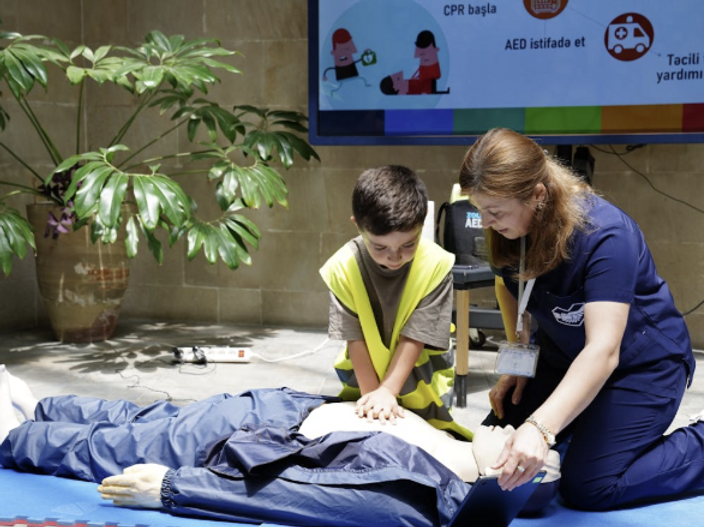
Immediate action is crucial. Cardiopulmonary resuscitation (CPR) combined with early defibrillation using an AED can dramatically increase survival rates.

What is an AED and How Does It Work?
An Automated External Defibrillator (AED) is a portable, user-friendly medical device designed to analyze heart rhythms and deliver an electric shock when necessary to restore a normal heartbeat. AEDs are equipped with clear voice and visual instructions, enabling even untrained individuals to assist in an emergency.
These devices are commonly found in workplaces, public areas, educational institutions, and transportation hubs, ensuring accessibility when every second counts.

Why AEDs Are Essential in the Workplace
Workplaces are not immune to medical emergencies. Having an AED readily available can make a life-saving difference before professional medical help arrives. Key benefits include:
-
Rapid Response: Immediate access to an AED reduces response time during cardiac emergencies.
-
Increased Survival Rates: Early defibrillation significantly improves the chances of survival.
-
Enhanced Workplace Safety: Demonstrates a proactive commitment to employee well-being.
Regulatory Compliance: Supports occupational safety and health standards in many industries.

The Importance of First Aid, CPR and AED Training
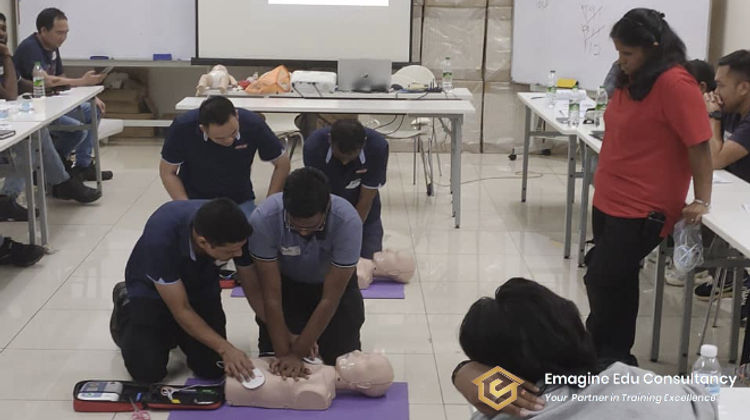
While AEDs are designed for ease of use, proper training ensures individuals can respond confidently and effectively during emergencies. Training programmes typically include:
-
Recognising signs of sudden cardiac arrest
-
Performing CPR correctly
-
Using an AED safely and efficiently
-
Coordinating emergency response procedures
Organisations that invest in AED and first aid training empower their employees to act decisively when it matters most.
How to Use an AED: Step-by-Step Guide in an Emergency
When a sudden cardiac arrest occurs, knowing how to act quickly and correctly can save a life. An Automated External Defibrillator (AED) is designed to be simple and safe to use, even for individuals without medical training. Follow these essential steps to respond effectively:
1. Assess the Situation and Check Responsiveness
Ensure the scene is safe before approaching the person. Gently tap and shout to check if they respond. If the individual is unresponsive and not breathing normally, treat it as a cardiac emergency.
2. Call for Emergency Assistance
Immediately contact your local emergency number (e.g., 999 in Malaysia) or instruct someone nearby to do so. If others are present, ask someone to retrieve the nearest AED without delay.
3. Begin CPR
Start cardiopulmonary resuscitation (CPR) by performing chest compressions:
-
Push hard and fast in the centre of the chest
-
Aim for a rate of 100–120 compressions per minute
-
Allow the chest to fully recoil between compressions
Continue CPR until the AED is available.
4. Turn on the AED
Once the AED arrives, switch it on. The device will provide clear voice and visual instructions to guide you through each step.
5. Attach the AED Pads
Expose the person’s chest and attach the adhesive pads as indicated:
-
One pad on the upper right chest
-
One pad on the lower left side of the chest
Ensure the chest is dry before applying the pads.
6. Allow the AED to Analyze the Heart Rhythm
Make sure no one is touching the person while the AED analyzes the heart rhythm. The device will determine whether a shock is needed.
7. Deliver the Shock if Advised
If the AED advises a shock:
-
Ensure everyone is clear of contact
-
Loudly say “Clear!”
-
Press the shock button (if required)
The AED will deliver the shock to help restore a normal heart rhythm.
8. Resume CPR Immediately
After the shock (or if no shock is advised), resume CPR immediately. Continue following the AED’s prompts until emergency medical personnel arrive or the person shows signs of recovery.

Who We Are (EEC)
Emagine Edu Consultancy (EEC) is an HRD Corp-accredited training provider in Malaysia, specialising in corporate training programmes across Occupational Safety & Health (OSH), manufacturing, technical operations, quality management, and business performance. We support organisations in developing a workforce that is prepared to respond effectively in emergencies, including life-saving interventions using Automated External Defibrillators (AEDs).
Building on our strong focus on workplace safety and emergency preparedness, EEC has extensive experience in equipping professionals with the knowledge and practical skills required to respond to sudden cardiac arrest. We understand that delayed or incorrect response during emergencies can have serious consequences, which is why our programmes are designed to provide clear, structured, and hands-on AED training that can be applied immediately in real-life situations.
Beyond general awareness, we are particularly focused on ensuring participants are confident in using AED devices and performing basic life support procedures, where speed, accuracy, and composure are critical. We train participants to respond effectively, follow proper protocols, and work as a team during emergencies to improve survival outcomes and workplace readiness.
Our programmes emphasise:
-
Understanding the importance of early response in cardiac emergencies
-
Using AED devices correctly and safely
-
Performing basic life support (BLS) with confidence
-
Following proper emergency response procedures and protocols
-
Aligning workplace practices with safety and regulatory standards
At EEC, our training approach is practical, interactive, and industry-driven, ensuring participants not only understand key concepts but are able to apply them confidently in emergency situations. This results in improved response readiness, enhanced workplace safety, and the ability to save lives when it matters most.

Why Choose EEC as Your Strategic Training Provider
At Emagine Edu Consultancy (EEC), we are committed to delivering high-impact, results-driven emergency response training programmes that equip individuals with the skills and confidence to act when it matters most.
Here’s why organisations choose us as their trusted training partner for AED, CPR, and First Aid:
-
HRD Corp Accredited & Trusted Provider
EEC is a registered and approved HRD Corp training provider, ensuring credibility, quality assurance, and alignment with national training standards in workplace safety and emergency preparedness.
-
HRD Corp Claimable Programmes
All our AED, CPR, and First Aid training courses are HRD Corp claimable, enabling organisations to optimise their training budget while investing in life-saving skills development.
-
Cross-Industry Emergency Preparedness Expertise
We have successfully conducted safety and emergency response training across a wide range of industries, including manufacturing, hospitality, logistics, and tourism. This enables us to tailor emergency protocols and scenarios relevant to each organisation’s environment.
-
Strong Regional Presence in Malaysia
Our programmes have been delivered to organisations across Selangor, Negeri Sembilan, Kuala Lumpur, and Melaka, supporting workplaces in building safer and more prepared environments.
-
Experienced Safety & Emergency Response Practitioners
Our trainers are certified and experienced professionals who bring real-life emergency scenarios, practical demonstrations, and actionable guidance into every session.
-
Engaging & Scenario-Based Training
Our programmes are designed to be interactive and scenario-driven, simulating real emergencies such as cardiac arrest, injuries, and workplace incidents to ensure participants are fully prepared.
-
Practical, Hands-On Life-Saving Skills
We emphasise hands-on learning, enabling participants to confidently perform CPR, use AED devices correctly, and administer basic first aid using proper techniques and equipment.

Strengthen Workplace Safety Through Professional Training
In today’s dynamic work environment, the ability to respond effectively to medical emergencies is crucial for safeguarding employees and maintaining a safe workplace.
At Emagine Edu Consultancy (EEC), our training programmes are tailored to your organisation, empowering your team with essential skills in AED usage, CPR techniques, and basic first aid to handle critical situations with confidence.
By developing these vital competencies, your employees will be more capable of responding promptly, delivering immediate care, and assisting effectively during emergencies.
As a result, your organisation benefits from stronger emergency preparedness, greater employee confidence, and a safer, more resilient working environment.
Whether your objective is to strengthen emergency response readiness, meet workplace safety requirements, or build confidence in managing unforeseen incidents, our practical and industry-focused approach ensures skills can be applied immediately.
Take the next step towards a safer workplace.
Partner with EEC today to equip your team with life-saving knowledge and the confidence to act when it matters most.