

Training Needs Analysis (TNA) in Malaysia: A Practical Guide for Malaysian Employers
In today’s competitive and compliance-driven business landscape, training is no longer optional; it is a strategic investment. However, many organisations still plan training based on ad-hoc requests, departmental pressure, or leftover HRDF levy balance.
A Training Needs Analysis (TNA) ensures that training is purposeful, measurable, and aligned with business growth.
For Malaysian employers, a structured TNA also helps optimize claims under Human Resource Development Corporation (HRD Corp), previously known as HRDF.
Why TNA Matters in the Malaysian Employers Context?
A proper TNA helps organisations:
-
Align training with business strategy
-
Utilise HRD Corp levy effectively
-
Avoid unnecessary or repetitive courses
-
Address real competency gaps
-
Prepare for compliance audits
-
Improve workforce productivity
Training without TNA is an expense. Training with TNA is an investment.
Why TNA Matters in the Malaysian Employers Context?
A proper TNA helps organisations:
-
Align training with business strategy
-
Utilise HRD Corp levy effectively
-
Avoid unnecessary or repetitive courses
-
Address real competency gaps
-
Prepare for compliance audits
-
Improve workforce productivity
Training without TNA is an expense. Training with TNA is an investment.
Step-by-Step TNA Framework for Malaysian Companies
1️⃣ Understand Organisational Direction
Start with the business plan.
Ask:
-
Are we expanding?
-
Are we digitalising operations?
-
Are we preparing for ISO or regulatory audit?
-
Are we restructuring leadership teams?
Training must support where the company is heading, not just where it is today.

2️⃣ Identify Performance Gaps
Analyse:
-
KPI shortfalls
-
Customer complaints
-
Production inefficiencies
-
Sales underperformance
-
Compliance risks
Methods you can use:
-
Manager interviews
-
Employee surveys
-
Competency assessments
-
Performance appraisal data
The key question:
Is the issue caused by lack of skill, lack of knowledge, or operational/system issues?
(Training only solves skill and knowledge gaps.)

3️⃣ Categorise Needs at 3 Levels
Level | Focus |
|---|---|
Organizational | Culture, Change management
Digital Readiness |
Departmental | Technical Upgrades
Process Efficiency |
Individual | Leadership & Supervisory Skills |

Skill Focus in Hierachy Order
This prevents random course selection.
4️⃣ Prioritise Training Needs
Not all needs are urgent. Use this filter:
-
Compliance requirement?
-
Revenue-impacting?
-
Safety-related?
-
Critical skill shortage?
-
Eligible under the HRD Corp claim?
Compliance and high-risk gaps should always come first.

📊 Annual Training Budget Planning
For local Malaysian companies contributing to HRD Corp:
You are already paying levy monthly. The question is — are you maximising it?
Under schemes managed by Human Resource Development Corporation, employers may claim eligible programmes through structured application.
Budget Allocation Strategy:
In general, companies can consider the following budget allocation as a guideline, depending on the company's current needs and requirements:
-
40–50% → Compliance & Technical Skills
-
20–30% → Leadership & Supervisory Development
-
10–20% → Digital & Future Skills
-
10% → Soft Skills & Employee Engagement
Also allocate:
-
Assessment tools
-
Post-training reinforcement
-
Internal workshops
Good budgeting ensures full levy utilisation without rushed year-end spending.
What Training Should Be Scheduled First?
Recommended Priority Order:
1. Compliance & Regulatory Training
-
Safety
-
Industry standards
-
Governance & risk management


Anti-Bribery and Corruption Training


First-Aid, CPR and AED Training


Fire Safety and ERP Training


Emergency Response Team (ERT) Training
2. Core Technical Skills
-
Job-critical competencies
-
Certification renewals
%20Sdn%20Bhd%C2%A04%265%C2%A0July%C2%A02025%20(4)_jp.jpg)
%20Sdn%20Bhd%C2%A04%265%C2%A0July%C2%A02025%20(6)_jp.jpg)
Total Productive Maintenance (TPM) Training

%C2%A0Sdn%C2%A0Bhd%201.jpg)
Statistical Process Control (SPC) Training
.jpeg)
.jpeg)
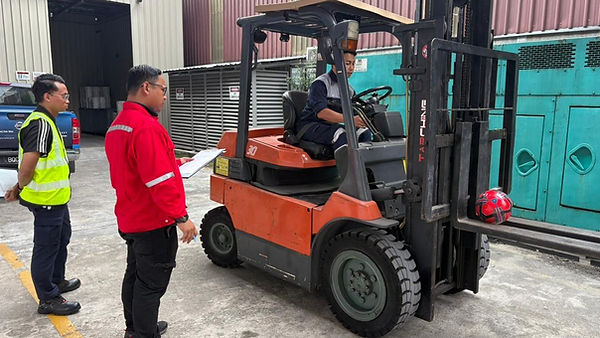
Forklift Safety Training
3. Supervisory & Leadership Training
-
First-time managers
-
Performance coaching
-
Communication & delegation
.jpg)
.jpg)
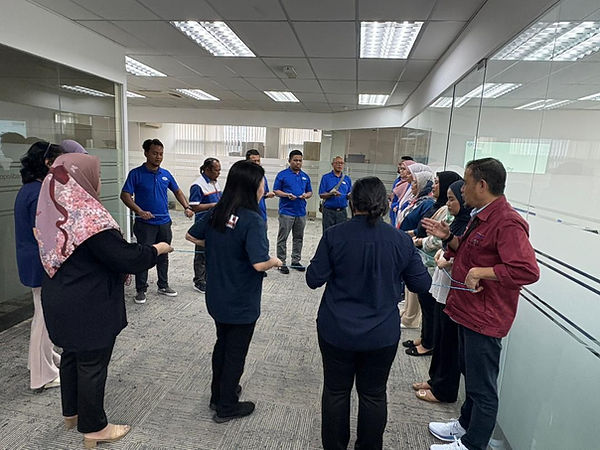
Leadership Training
.jpg)
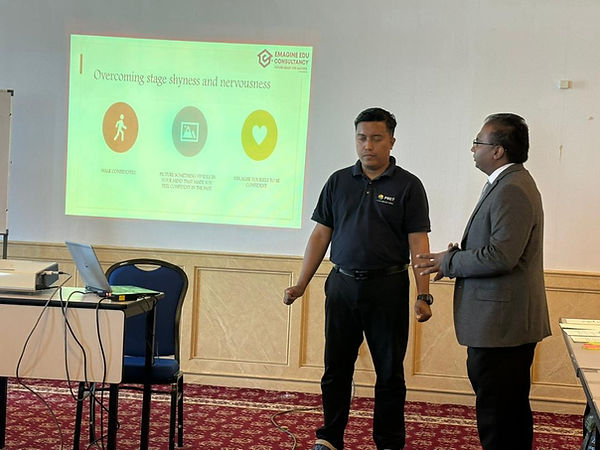
Effective Communication and Presentation Skills Training
4. Digital & Automation Skills
-
Data literacy
-
AI awareness
-
Cybersecurity basics
%C2%A0Sdn%C2%A0Bhd%203_.jpg)

Professional Data Management with WPS Spreadsheets Training
5. Soft Skills & Customer Experience
The training sequence should follow business risk and impact, not popularity.
.jpeg)
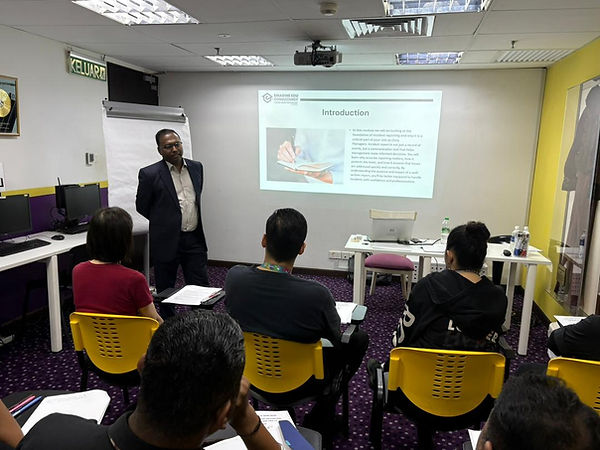
Incident Reporting and Documentation Skills Training
Beyond Fees: How to Choose the Right Training Provider
Many organisations choose based on the lowest quotation.
This is risky.
Instead, evaluate:
✔ HRD Corp registration status
✔ Trainer industry background
✔ Customisation capability
✔ Case-study relevance
✔ Practical learning methodology
✔ Post-training evaluation approach
✔ Track record with Malaysian companies
Low-cost generic training rarely delivers measurable ROI.
Practical Training Needs Analysis (TNA) Checklist for Employers
You may embed this internally or use it during HR planning meetings.
📋 Organisational Level Checklist
✔ Is there a documented business strategy for the next 1–3 years?
✔ Are there major operational changes planned?
✔ Are there compliance audits due this year?
✔ Are there digital transformation initiatives underway?
✔ Are we maximising our HRD Corp levy?
📋 Department Level Checklist
✔ Which departments are underperforming KPIs?
✔ Are there repeated operational errors?
✔ Are supervisors equipped to manage teams effectively?
✔ Are technical skills up to date with industry standards?
✔ Are there succession planning gaps?
📋 Individual Level Checklist
✔ Have performance appraisals identified skill gaps?
✔ Are new hires properly trained?
✔ Are high-potential employees developed?
✔ Do managers require leadership upgrading?
✔ Are employees certified where required?
📋 Budget & HRD Corp Planning Checklist
✔ Total annual levy contribution calculated?
✔ Training plan aligned with claimable programmes?
✔ Sufficient documentation prepared?
✔ Post-training evaluation mechanism in place?
✔ ROI measurement strategy defined?
If you tick “No” to multiple items, your organisation needs a structured TNA.
Why Emagine Edu Consultancy (EEC) Is Your Strategic Training Partner
At Emagine Edu Consultancy (EEC), we do not sell generic courses.
We:
✔ Align training with measurable business objectives
✔ Support clients with HRD Corp grant application documentation
✔ Customise programmes to the industry context
✔ Provide experienced industry practitioners as facilitators
✔ Track post-training performance impact
We believe training must solve business problems, not just to fill calendars.
Partner with Emagine Edu Consultancy
At Emagine Edu Consultancy (EEC), we work with organisations to design structured, outcome-driven training strategies, not isolated workshops.
We support you to:
• Diagnose capability gaps through a systematic TNA approach
• Develop a practical, prioritised annual training roadmap
• Optimise HRD Corp levy utilisation with proper planning
• Align leadership, technical, and compliance training with business risk and growth
• Measure post-training effectiveness and workplace application
Training should strengthen your organisation’s competitive position, not merely fulfil administrative requirements.
Start with a Strategic Conversation
Schedule a complimentary TNA discussion session with EEC to review your current training direction, levy utilisation, and organisational capability gaps.
Make your training budget work harder and smarter.
Contact Emagine Edu Consultancy today and turn your workforce development plan into a measurable business advantage.