

What Happens When You Ignore the Forklift’s Load Capacity?
Don’t Push It: The Real Risks of Overloading a Forklift
Our Forklift Safety Training is taking place across Kuala Lumpur, Selangor, and Negeri Sembilan, engaging manufacturing teams in practical sessions that highlight the risks of forklift overloading, promote correct load handling, and reduce everyday workplace accidents.
Forklifts are the unsung heroes of a busy warehouse or construction site because they can precisely lift, move, and arrange heavy materials. However, beneath their tough exterior lies a fine balance between capacity and safety. Never exceed the load capacity, which is one of the most important but frequently ignored forklift operating guidelines.
What actually occurs, then, when a forklift is overloaded?
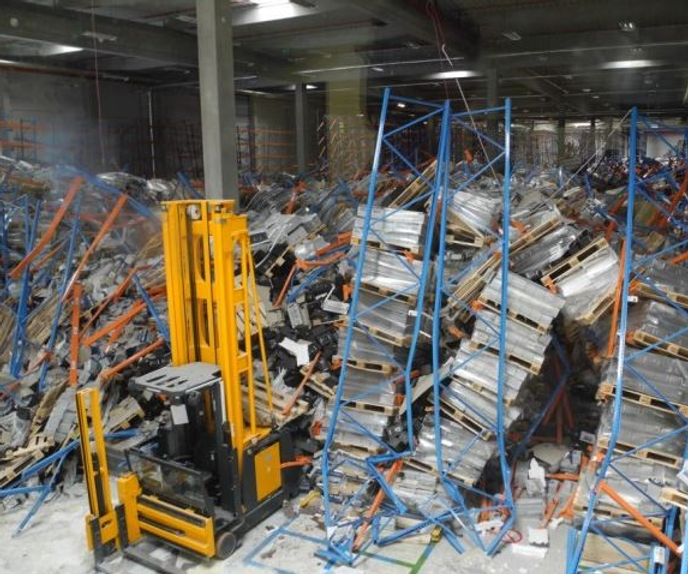
One of the most common risks caused by overloaded forklifts will be workplace accidents, such as crashes or injuries.
1. Risk of Tip-Over Accidents
A tip-over is the most dangerous and immediate result. A particular centre of gravity is built into the design of forklifts. That balance is disrupted when overloaded, particularly when the load is raised high or a sharp turn is made. The entire machine may tip forward or sideways as a result, putting the operator and anyone around them in danger.
Fact: According to OSHA, tip-overs are the leading cause of forklift-related fatalities.
2. Damage to Forklift Components
The forklift's frame, tires, forks, mast, and hydraulic system are all subjected to undue strain when it is overloaded. This shortens the machine's lifespan, speeds up wear and tear, and may result in expensive repairs or, worse, complete equipment failure while in use.
3. Falling Loads
A forklift that is overloaded might not properly secure the load, which could cause objects to slip or fall off while in transit. This can lead to major harm, destroy products, and create risks at work. This risk increases in areas with heavy traffic.
4. Legal and Financial Consequences
Not only is it dangerous to disregard load limits, but it also violates workplace safety regulations. Employers and operators may be subject to fines, legal action, and higher insurance premiums if an accident happens as a result of negligence. It may also cause operational disruptions and harm to the company's reputation.
5. Reduced Efficiency
Although it may appear that overloading will help you finish your work more quickly, it actually slows you down. In order to adjust unstable loads, operators must move more carefully, stay off specific routes, and stop frequently. Additionally, more downtime for repairs may result from the increased strain on the equipment.
Stay Safe! Always know your limits!

Every forklift has a data plate indicating its maximum load capacity. It's essential to:
-
Check it regularly
-
Factor in load shape and weight distribution
-
Train operators thoroughly
In short, respecting the load capacity isn’t just a safety rule, it’s a best practice that protects people, equipment, and productivity.
Your move matters! Play it safe!
Always stay vigilante with the surroundings while driving the forklift!
