

Fires Strike Without Warning! Is Your Building Truly Prepared?
Protect what matters most — learn how fire protection systems can prevent disasters and save lives
Today we’re conducting our Fire Safety Training in Seremban, Negeri Sembilan, working with PEM Fasteners (Malaysia) Sdn. Bhd. to reinforce fire prevention awareness and emergency response readiness within the manufacturing environment.
Years of labor can be destroyed in a matter of seconds by a single spark. Workplaces, factories, and offices become dangerous places when unexpected fires break out and spread more quickly than most people can respond. When a fire might occur is more important than whether it will.
Installing a fire protection system correctly is essential for saving lives, not just a luxury. When every second counts, it helps everyone get to safety, put out fires before they spread, and recognizes danger early. It is not only prudent, but also urgent, to take immediate action to protect your building, personnel, and operations as fire risks increase across all industries.
What is Fire Protection System and How it Works?
A fire protection system is a coordinated set of tools, construction techniques, and protocols that are put in place to stop fires from starting when they can, identify and put out fires early, contain and slow their spread, safeguard building structures, and allow for quick and safe occupant evacuation. Four mutually reinforcing layers enable these functions in practice:
1. Prevention: Safe procedures, design decisions, and ignition source control
(e.g., electrical safety, hot-work controls).
2. Detection and alarm: Equipment that detects fire and notifies people and building systems
(such as manual call points and smoke/heat detectors).
3. Suppression & Control: Active fire suppression or limiting systems, such as portable extinguishers, gaseous or chemical suppression, and sprinklers.
4. Containment and continuity: Passive measures that protect structure and escape routes while compartmentalizing and delaying spread, such as fire-rated walls and doors, firestops,
fire-resistant coatings, and dampers.
All layers must be integrated: detection triggers alarms and suppression; passive barriers hold the fire long enough for suppression to work and for people to evacuate. This integrated approach is the foundation of modern life-safety frameworks.

Active vs. Passive fire protection
Active fire protection
For active systems to function, either manual or automatic action is needed. They identify, alert, put out, or take other action to put out a fire. Examples include gaseous suppression, automatic sprinkler systems, water mist systems, smoke detectors connected to alarms, voice evacuation systems and fire alarms, and portable fire extinguishers. For active fire protection systems to work, detection, control logic, and a power/water supply are frequently required.
Passive fire protection
In order to protect structural members, keep egress open for a predetermined amount of time, and contain fire and smoke, passive measures are integrated into the structure and do not need to be activated. Examples include intumescent coatings, fire dampers in HVAC ductwork, fire-resistant glazing, fire-resistant doors and partitions, fire-resistance rated walls and floors, and firestopping for penetrations. Passive fire protection seeks to stop the spread of smoke, heat, and flames long enough for evacuation and suppression to occur.
A strong protection strategy makes use of both active fire protection and passive fire protection, which work in tandem.

Fire-protection components
Here are some examples of common fire protection components that help against fire. Each of them comes with its own functions, strengths and weaknesses, along with their typical installation zones.
1. Smoke detectors
What they do: Detect smoke, particles, or sharp temperature increases, set off alarms, and
activate suppression or pre-action systems.
Advantages: Low cost, widely required for practically every occupancy, early detection
(particularly photoelectric for smoldering fires).
Disadvantages include: varying detector types have varying sensitivities, limited value if disabled
or not maintained, false alarms from cooking or steam if poorly sited.
Installing locations: Elevator lobbies, stairwell entrances, plant rooms, corridors, sleeping areas,
and high-risk rooms (per code). Cleaning and testing must be done on a regular basis.

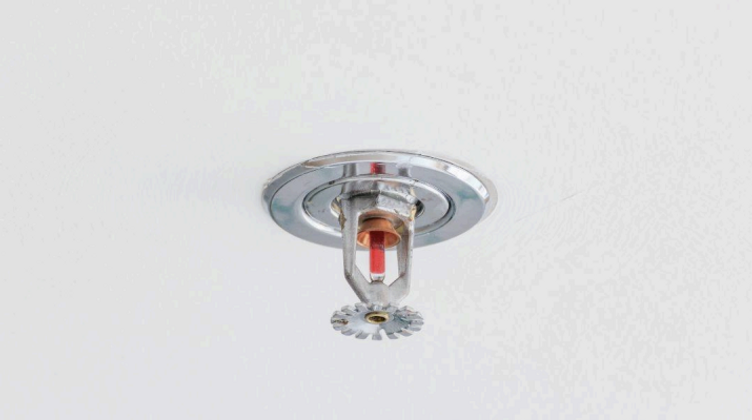
2. Automatic sprinkler systems
What they do: When a single sprinkler head activates, they automatically spray water (or another agent) onto a fire. Application-specific types include pre-action for water-sensitive areas, deluge for high-hazard areas, dry for cold environments, and wet pipe for the majority of indoor uses.
Advantages: Demonstrated high record of life safety, early fire control and containment, decreased property loss and spread, and the ability to free up firefighters to concentrate on rescue operations.
Disadvantages include: The possibility of unintentional discharge (although contemporary systems hardly ever activate without a real fire), the need for a dependable water supply and upkeep, and water damage in sensitive areas.
Installing locations: Server rooms (with specially chosen suppression), kitchens (with the proper kitchen suppression), high-rise buildings, commercial and industrial facilities, warehouses, multi-unit residential buildings, and areas with high occupant loads.
3. Portable fire extinguishers
What they do: Manually operated devices that let trained occupants attack incipient fires (classified by fuel type: A, B, C, D, K).
Advantages: Immediate response for small fires,low cost, portable, variety for different hazards.
Disadvantages include: Limited capacity — only suitable for incipient/small fires, operator risk if untrained, wrong extinguisher type can worsen the situation.
Installing locations: At exits, kitchens, mechanical rooms, vehicles, laboratories and near known ignition sources. Provide training and clear signage.

4. Fire alarm systems
What they do: Combine detector signals, notify occupants, and plan life-safety actions (such as triggering pre-action sprinklers, releasing magnetic hold-open fire doors, and notifying the fire department).
Advantages: Remote monitoring is available, complex building responses can be automated, and occupant warning and incident management are quick.
Disadvantages include: Cost and complexity, susceptibility to power outages unless backed up; and the potential for frequent, annoying alarms to desensitize residents.
Installing locations: Control panels should be placed in safe but easily accessible areas in all multi-occupant buildings, assembly areas, hospitals, and hotels.

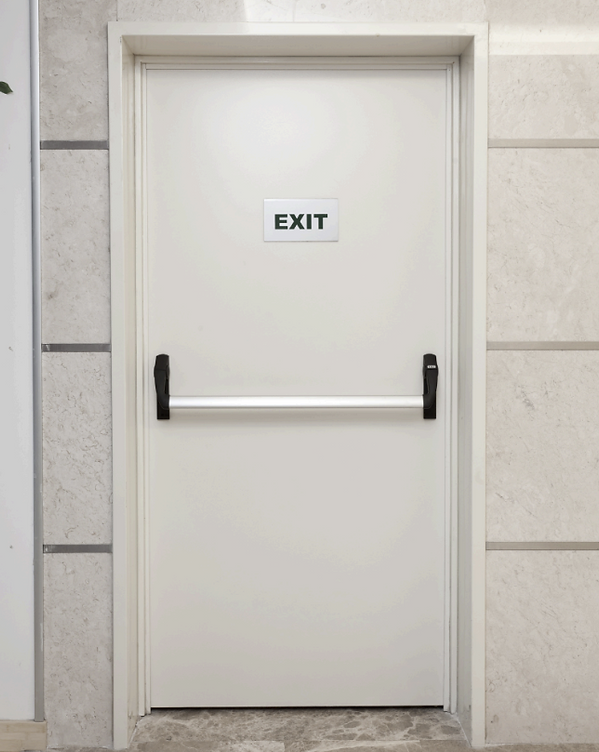
5. Fire-rated doors and partitions
What they do: Divide a building into sections to stop the spread of smoke and fire for a predetermined amount of time (e.g., 30, 60, 90, 120 minutes).
Advantages: Easy passive protection that doesn't need to be activated and maintains structural integrity and escape routes.
Disadvantages include: Propped-open or damaged doors lose their effectiveness, proper installation and maintenance are essential for optimal performance (sealed gaps, self-closing hardware).
Installing locations: Corridors, plant rooms, service shafts, stairwells, and the lines separating fire compartments.
6. Fire dampers
What they do: When heat or smoke is detected, the ductwork automatically closes to prevent the spread of fire or smoke through ventilation systems
Advantages: Protects compartmentation while permitting regular airflow for daily operations.
Disadvantages include: Requires proper installation and selection, they may become ineffective due to mechanical failure or neglect.
Installing locations: Duct penetrations at HVAC risers, fire-separation zones, and through fire-rated walls and floors.

7. Fire-resistant materials and coatings
What they do: Enhance structural components' resistance to fire or seal penetrations where services cross fire barriers. When heated, intumescent materials expand to seal gaps or insulate steel.
Advantages: Protect structure and compartmentalization with little changes, it may be less expensive than rebuilding.
Disadvantages include: Requires certified products and proper application, it is frequently necessary to conduct periodic inspections and certain coatings have service-life considerations.
Installing locations: Structural steel, penetrations in walls/floors, cable trays and areas where services penetrate fire barriers.
Unprotected Steel
Steel protected with intumescent coating
Steel protected with intumescent coating In a fire scenario

At a critical temperature of 500 °C steel loses its strength. Fire resistance ratings may be far less than 30 minutes.
Typical application of an intumescent coating done by airless-spray, brush or roller.
Steel with an intumescent coating fulfills the official test requirements for e. g. 30, 60, 90, 120, 180 minutes.
8. Emergency glow lights and escape path signs
What they do: Floor or step markers and "glow-in-the-dark" signs that are powered by ambient light and offer direction in the event of a power outage or smoke. In some jurisdictions, they can be used in place of or in addition to electrically powered emergency lighting once they pass listing and testing requirements. Life-safety codes and standards specify requirements for charging illumination and compliance.
Advantages: Low maintenance and long life in many products, zero-energy backup, very visible in smoke if installed and charged properly.
Disadvantages include: Require adequate lighting for charging while in use, performance varies depending on the product and quality, must satisfy standard test requirements, acceptance of local codes varies.
Installing locations: Electrical emergency lighting may be added to exit routes, stairwells, corridors, and areas close to exits and egress paths.

Where Fire Protection Systems Are Needed Most?
Installing a fire protection system is a crucial precaution that needs to be customized to the degree of fire risk in each environment, not just a legal necessity. Because of the presence of electrical systems, heat-producing equipment, combustible materials, or heavy occupant loads, some places are naturally more prone to fire.
1. Industrial Facilities and Manufacturing Plants (High Fire Hazard)
These locations frequently have heavy machinery, high-temperature processes, flammable liquids, and combustible dusts. Fires that quickly spread across production lines can be easily started by electrical problems, overheating machinery, or static discharge.
2. Warehouses and Storage Facilities (High Fire Hazard)
Pallets, packing supplies, and flammable items are all kept in large quantities in warehouses. The fire load is increased by the vertical stacking of goods, and ignition risks are increased by the presence of electrical charging stations and forklifts.
3. Commercial Kitchens and Food Courts (High Fire Hazard)
One of the biggest ignition hazards in any kind of building is caused by cooking oils, grease, and open flames. Oil splatter causes fires to spread quickly here, and if they are not properly put out, they may rekindle.
4. Data Centres and Server Rooms (Moderate to High Fire Hazard)
Data centres and server rooms carry a moderate to high fire risk due to constant electrical load, heat generation, and dense equipment. With proper design and maintenance, the risk can be managed but should never be ignored.
5. High-Rise Buildings (Moderate to High Fire Hazard)
Smoke and heat spread are particularly dangerous in areas with dense occupancy, long evacuation routes, and vertical openings (elevators, shafts, stairwells). Common sources of ignition include air conditioners and electrical panels.
6. Shopping Malls and Public Assembly Areas (Moderate to High Fire Hazard)
The risk is increased by large crowds, numerous tenants, cooking outlets, and sophisticated electrical systems. When synthetic materials used in decorations and furniture catch fire, they release poisonous smoke.
7. Hospitals and Healthcare Facilities (Moderate Fire Hazard)
A volatile environment is produced by chemical storage, oxygen systems, and electrical medical equipment. Rapid evacuation is challenging when there are immobile patients present, necessitating the use of multiple fire safety precautions.
8. Transportation Hubs (Moderate Fire Hazard)
There are several risks associated with complex electrical systems, high passenger volume, and fuel storage (in airports). The risk of inhaling smoke is increased by confined underground spaces and limited exits.
9. Educational Institutions and Offices (Low to Moderate Fire Hazard)
Combustible conditions are produced by electrical devices, laboratories, high occupant density, and paper storage. Delays in evacuation can be fatal even though they are not as severe as industrial hazards.
10. Fuel Stations and Chemical Storage Sites (Extreme Fire Hazard)
These environments are extremely dangerous due to the presence of reactive chemicals, pressurized gases, and flammable solvents. Toxic fires or explosions can be started by tiny sources of ignition.
Inspection, testing and maintenance
Design is just the beginning. It is necessary to commission, inspect, and maintain systems. For instance, standards like NFPA 25 establish the frequency and methods of inspection, testing, and maintenance for water-based systems (sprinklers, pumps, and valves). To guarantee dependability when needed, detectors, alarms, doors, dampers, and extinguishers must undergo routine testing and documented servicing. One of the main reasons for system failure is maintenance neglect.
Fires strike fast, and when they do, hesitation costs lives. As an employer, you hold the power — and responsibility — to safeguard your people and property. A well-designed fire protection system is only effective when supported by a workforce trained to respond swiftly and correctly.
When Knowledge Meets Protection: The Human Side of Fire Safety
Fire safety training and fire protection systems work hand in hand. While fire protection systems are designed to detect, control, and suppress fires automatically, training ensures that people know how to respond when those systems activate. Through proper training, participants learn how to interpret alarm signals, use fire extinguishers correctly, perform safe evacuations, and support system maintenance and inspections. In short, even the most advanced fire protection system is only effective when people understand how to use and respond to it.
Who Should Join Fire Safety Training to Understand Fire Protection Systems
Fire safety training isn’t only for firefighters or safety officers. It’s valuable for anyone responsible for workplace or building safety. The following groups are strongly encouraged to attend:
1. Facility and Building Managers – They oversee daily operations and need to understand how fire protection systems work, including alarms, sprinklers, and extinguishers.
2. Safety and Health Officers (SHOs) – They play a key role in ensuring compliance with fire safety regulations and coordinating inspections or maintenance.
3. Maintenance and Technical Staff – They handle equipment testing, maintenance, and basic troubleshooting of fire protection systems.
4. Business Owners and Employers – They’re ultimately responsible for ensuring fire safety compliance in their premises and should understand how systems protect both staff and assets.
5. Security and Emergency Response Teams – These personnel are often first responders during an incident, so knowing how to operate and respond to system alerts is essential.
6. Supervisors and Employees in High-Risk Environments – Those working in factories, warehouses, hotels, hospitals, or large commercial buildings should know how fire systems function and how to respond during an emergency.
Why Understanding Fire Protection Systems Matters
Knowing how fire protection systems work helps people respond quickly and confidently during an emergency. It ensures the right actions are taken before the fire spreads, which can save lives and minimize damage. For employers, this knowledge also supports compliance with Malaysian fire safety regulations under the Fire Services Act and local authority requirements. In short, when your team understands the fire protection systems in place, making your workplace becomes safer and better prepared for any situation.
Your action today could be the reason everyone goes home tomorrow. Don’t wait for a fire to test your readiness. Prepare now.
Equip your team with the skills to act before flames spread. Request for quotation today to ensure your employees know how to detect danger, use extinguishers effectively, and evacuate safely